Whitepaper
Most industrial businesses reach the same point sooner or later. Orders are up, storage is tight, staff are working around each other and the layout that made sense ten years ago is now slowing everything down. The obvious answer is to find a bigger building. In practice, that is often the most expensive and disruptive option available.
The real cost of moving
Relocating is rarely just a rent or purchase decision. There is the fit-out of the new site, the cost of shifting plant and equipment, recommissioning, new power and services, staff travel changes and the weeks of lost or reduced output during the changeover. Customers notice when lead times slip. Experienced staff sometimes don't make the move at all.
Many of these costs are hard to see at the start, which is why relocation budgets tend to grow once the project is underway.
Where the hidden capacity usually is
When we walk through a facility with an owner, we look at how the space is actually being used rather than how big it is. In most buildings there is usable capacity sitting in a few common places:
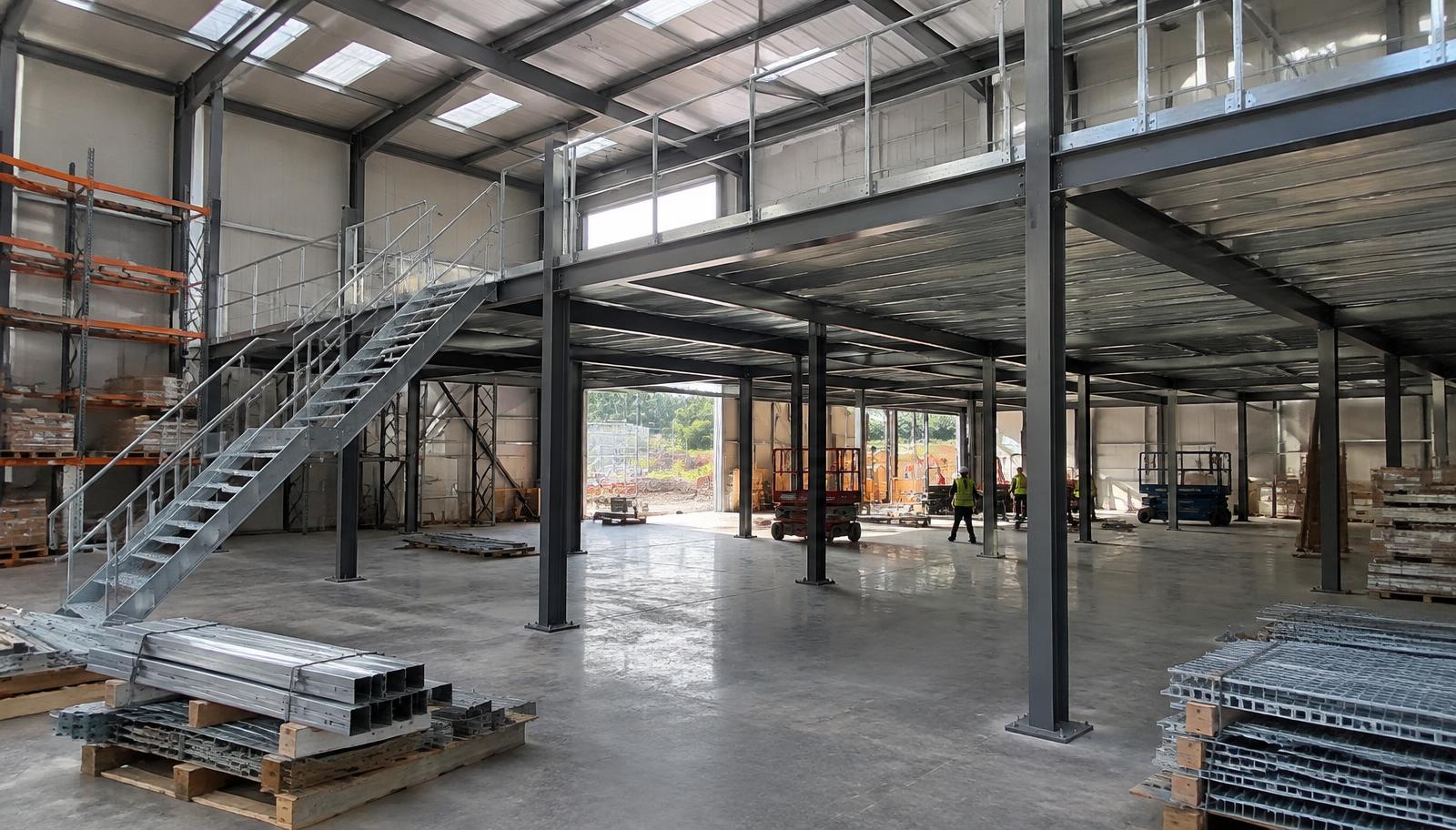
Height. Many warehouses and factories have clear height that is never used. A structural mezzanine can add offices, storage or light production without touching the footprint.
Layout. Material flow often grows around old decisions. Relocating a wall, adding a roller door or repositioning a loading area can remove double handling and free up floor space.
Unused land. Side setbacks, hardstand and yard areas can often take an extension, an awning for covered loading or a new storage building.
Services. Undersized power, air or water can cap output. Upgrading these is often cheaper than people expect and unlocks new equipment.
Amenities and offices. Moving offices or amenities upstairs, or into a compact new block, can give production back valuable ground floor space.
A practical way to assess your site
Before committing to anything, it helps to work through a short list of questions. What does the business need to look like in five years? Which constraints are hurting most right now: storage, throughput, loading, staff space or power? What does the lease or zoning allow? And how much disruption can the operation tolerate while work is done?
With those answers, a builder can test options against the existing structure, slab, services and approvals pathway, then give realistic costs and staging for each. Often the answer is a mix of smaller moves rather than one big project.
When moving is the right call
Staying put is not always possible. If the site is at its planning limits, the structure can't carry the loads you need, or the location no longer suits your customers or workforce, relocation may be the better long-term decision. The point is to make that decision with the numbers in front of you, not by default.
The bottom line
For most growing businesses, the existing site has more in it than it first appears. A well planned upgrade keeps your location, your people and your customer relationships intact while the facility grows around the operation. If you're weighing up a move, it's worth having a builder look at what your current site could become first.